

Speak To An Expert
Get clear, personalised advice for your situation.
Jot down a few questions to make the most of your conversation.
More Items From Ergsy search
-

What self-care can help with heavy menstrual bleeding?
Relevance: 100%
-
What is heavy menstrual bleeding?
Relevance: 89%
-
Heavy periods (heavy menstrual bleeding)
Relevance: 86%
-
What causes heavy menstrual bleeding?
Relevance: 82%
-
Can heavy menstrual bleeding cause anemia?
Relevance: 81%
-
What are common signs of heavy menstrual bleeding?
Relevance: 80%
-
How is heavy menstrual bleeding diagnosed?
Relevance: 80%
-

Can heavy menstrual bleeding happen in teenagers?
Relevance: 79%
-
What treatments are used for heavy menstrual bleeding?
Relevance: 78%
-
Is heavy menstrual bleeding the same as painful periods?
Relevance: 78%

-
Can heavy menstrual bleeding be caused by fibroids?
Relevance: 78%
-
Does heavy menstrual bleeding affect fertility?
Relevance: 78%
-
Can stress cause heavy menstrual bleeding?
Relevance: 77%
-
Can heavy menstrual bleeding lead to emergencies?
Relevance: 76%
-
Is heavy menstrual bleeding always a sign of a serious problem?
Relevance: 76%
-
How is heavy menstrual bleeding different from a normal period?
Relevance: 75%
-
Can birth control help with heavy menstrual bleeding?
Relevance: 74%
-
When should I see a doctor for heavy menstrual bleeding?
Relevance: 74%
-
Can heavy menstrual bleeding happen after menopause?
Relevance: 68%
-

How much bleeding is considered heavy?
Relevance: 65%
-
Should I track my periods if I have heavy bleeding?
Relevance: 53%
-

Can I use Ibuprofen for menstrual pain?
Relevance: 41%
-

What should I do if I start bleeding during early pregnancy? | NHS
Relevance: 35%
-
Bleeding from the bottom rectal bleeding
Relevance: 33%
-

What is the importance of self-care for community helpers?
Relevance: 33%
-
Bleeding from the bottom rectal bleeding
Relevance: 33%
-
In what situations are medical tampons used?
Relevance: 32%
-
What should I do if I experience severe pain or bleeding after the test?
Relevance: 31%
-
How important is self-care for carers of Alzheimer's patients?
Relevance: 31%
-
Post Menopausal Bleeding Clinic | A Guide to What Happens at An Appointment
Relevance: 30%
-

What you need to know about irregular periods
Relevance: 30%
-
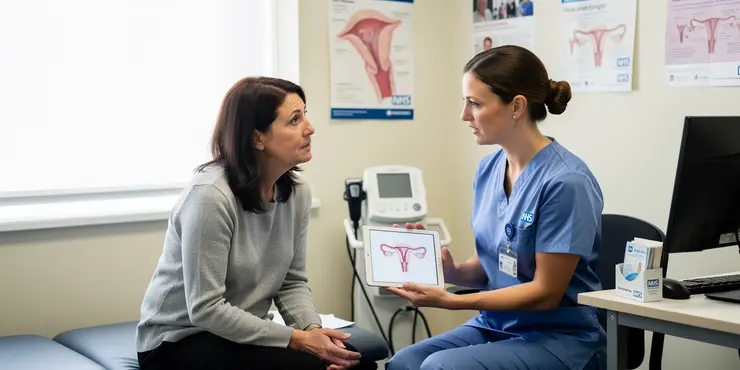
Are there any risks associated with the womb lining test?
Relevance: 30%
-
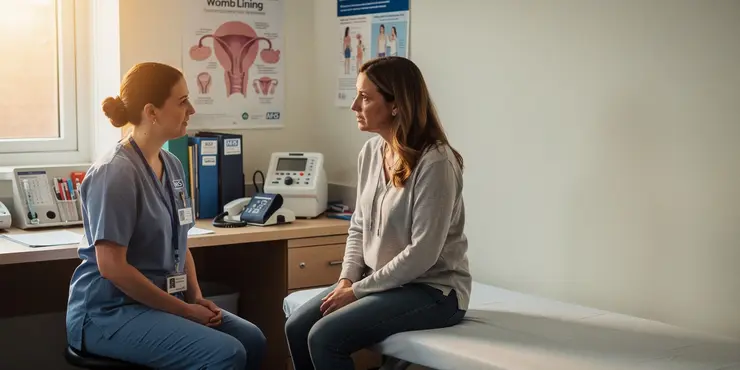
What is the Womb Lining test?
Relevance: 29%
-
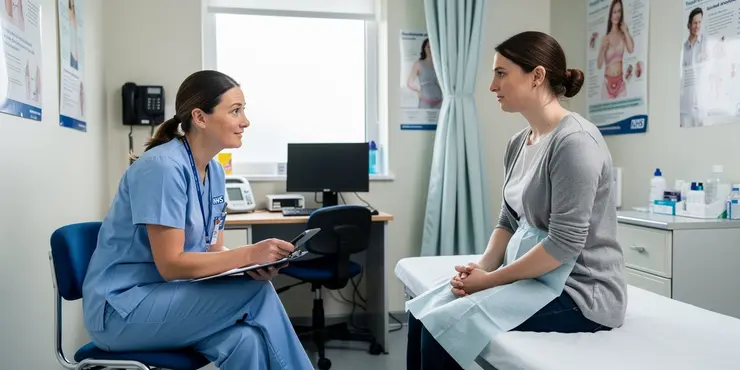
What happens after a womb lining test?
Relevance: 29%
-
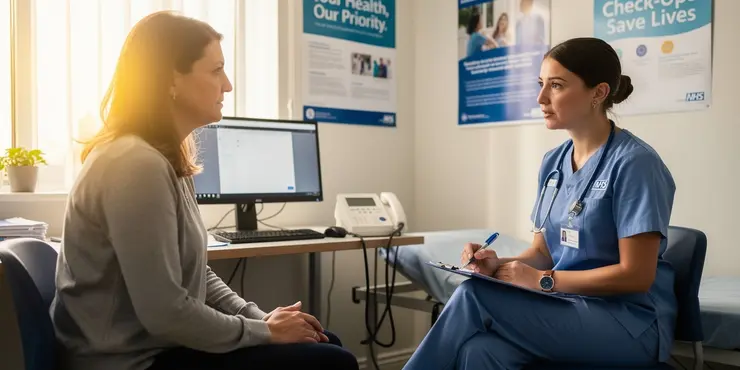
Can the test be performed during my menstrual period?
Relevance: 29%
-
What is Anaemia (iron deficiency)?
Relevance: 29%
-
Irregular periods - BSL
Relevance: 28%
-
Will the test affect my menstrual cycle?
Relevance: 28%
-
Having a hysteroscopy as an outpatient (English)
Relevance: 26%
-
Is the womb lining test painful?
Relevance: 24%
Understanding heavy menstrual bleeding
Heavy menstrual bleeding can make everyday life feel exhausting and uncomfortable. You may need to change pads or tampons very often, pass large clots, or have periods that last longer than usual.
Self-care cannot treat every cause of heavy periods, but it can help you feel more comfortable and better able to cope. It may also help you notice patterns in your symptoms so you can explain them clearly to a GP.
Practical self-care at home
Using the right menstrual products can make a big difference. Some people find that using pads designed for heavy flow, combined products, or period underwear gives better protection and reduces worry about leaks.
It can help to keep supplies nearby at home, work, and in your bag. Changing products regularly and choosing darker clothing or protective bedding at night may also help you feel more secure.
If you have cramps as well as heavy bleeding, a warm hot water bottle or heat patch on your lower abdomen may ease discomfort. Resting when you need to and avoiding overexertion can also be useful on your heaviest days.
Support your energy and wellbeing
Heavy periods can leave you feeling tired, especially if you lose a lot of blood. Eating regular meals and including iron-rich foods such as beans, lentils, spinach, eggs, and red meat may support your energy levels.
Drinking enough water is important too, particularly if you feel faint or weak. If you are often very tired, a GP may want to check for anaemia and advise whether you need iron supplements.
Gentle exercise, such as walking or stretching, may help with mood and circulation if you feel up to it. Try not to push yourself too hard on days when bleeding is especially heavy.
Track your periods
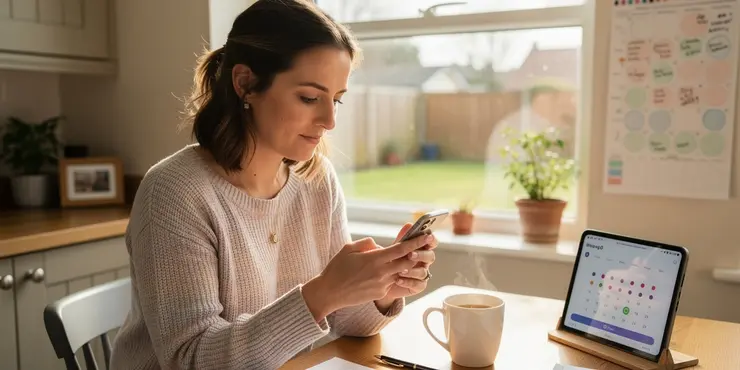
Keeping a simple record of your periods can be very helpful. Note how many days you bleed, how often you need to change protection, and whether you pass clots or have pain.
You can use a paper calendar or a period-tracking app. This information can help a healthcare professional work out whether your bleeding is within a normal range or needs further assessment.
When to seek medical advice
Self-care is useful, but heavy bleeding should not be ignored if it is affecting your daily life. Book a GP appointment if your periods are getting heavier, lasting longer, or making you feel tired or unwell.
Seek urgent help if you are soaking through pads or tampons very quickly, feeling dizzy or faint, or have severe pain. In the UK, call NHS 111 if you are unsure what to do, or seek urgent medical help if symptoms are severe.
Frequently Asked Questions
What self-care can help with heavy menstrual bleeding?
Self-care can include resting, staying hydrated, using heat for cramps, tracking bleeding, and eating iron-rich foods to help prevent fatigue.
Can I use heat for heavy menstrual bleeding symptoms?
Yes, a heating pad or warm compress can help relieve cramps and pelvic discomfort, though it will not reduce bleeding itself.
Should I rest more during heavy periods?
Resting when you feel tired or weak can help you manage fatigue and lower the strain of heavy bleeding on your body.
How can hydration help with heavy menstrual bleeding?
Drinking enough water can help you feel better if you are losing a lot of fluid and may reduce dizziness or weakness.
What foods should I eat if I have heavy menstrual bleeding?
Iron-rich foods such as beans, lentils, spinach, red meat, and fortified cereals can help support iron levels.
Can heavy menstrual bleeding cause iron deficiency?
Yes, losing a lot of blood over time can lead to iron deficiency or anemia, which may cause fatigue, weakness, and shortness of breath.
How can I track my bleeding at home?
You can use a period app or a simple calendar to note how many pads or tampons you use, clot size, and how long bleeding lasts.
Does exercise help with heavy menstrual bleeding?
Gentle movement like walking or stretching may help you feel better, but avoid overexertion if you are weak or dizzy.
Can I take over-the-counter medicine for cramps with heavy bleeding?
Some over-the-counter pain relievers can help with menstrual cramps, but always follow the label and ask a clinician if you have concerns.
Should I avoid alcohol during heavy menstrual bleeding?
Limiting alcohol may help because it can worsen dehydration and make you feel more tired or lightheaded.
How can I manage fatigue from heavy menstrual bleeding?
Try to get extra sleep, eat balanced meals, drink fluids, and prioritize tasks so you can conserve energy.
Can changing pads more often help?
Yes, changing pads or tampons regularly can help you stay comfortable and monitor how heavy the bleeding is.
What should I do if I feel dizzy during a heavy period?
Sit or lie down right away, drink fluids, and avoid standing too quickly. If dizziness is severe or persistent, seek medical care.
Can stress make heavy menstrual bleeding feel worse?
Stress can make symptoms feel harder to manage, so relaxation methods like breathing exercises, meditation, or gentle stretching may help.
Is it helpful to wear dark clothing during heavy bleeding?
Yes, dark clothing or period-proof underwear can help reduce worry about leaks and make you feel more comfortable.
Can heating pads reduce heavy bleeding?
Heating pads can help with pain and muscle tension, but they do not reduce the amount of menstrual bleeding.
Should I avoid certain activities during heavy menstrual bleeding?
If you feel weak or have severe cramps, it may help to avoid strenuous activities and choose lighter tasks instead.
When should I seek medical help for heavy menstrual bleeding?
Seek medical help if bleeding soaks through pads or tampons quickly, lasts longer than usual, includes large clots, or causes weakness, dizziness, or shortness of breath.
Can self-care replace medical treatment for heavy menstrual bleeding?
Self-care can help you feel better, but it does not replace medical evaluation if the bleeding is heavy, persistent, or affecting your health.
What is the most important self-care step for heavy menstrual bleeding?
The most important steps are to rest, stay hydrated, watch for signs of anemia, and get medical advice if your bleeding is unusually heavy or worsening.

Useful Linksxxx
This website offers general information and is not a substitute for professional advice.
Always seek guidance from qualified professionals.
If you have any medical concerns or need urgent help, contact a healthcare professional or emergency services immediately.
Some of this content was generated with AI assistance. We've done our best to keep it accurate, helpful, and human-friendly.
- Ergsy carefully checks the information in the videos we provide here.
- Videos shown by Youtube after a video has completed, have NOT been reviewed by ERGSY.
- To view, click the arrow in centre of video.
- Most of the videos you find here will have subtitles and/or closed captions available.
- You may need to turn these on, and choose your preferred language.
- Go to the video you'd like to watch.
- If closed captions (CC) are available, settings will be visible on the bottom right of the video player.
- To turn on Captions, click settings.
- To turn off Captions, click settings again.
More Items From Ergsy search
-
What self-care can help with heavy menstrual bleeding?
Relevance: 100%
-
What is heavy menstrual bleeding?
Relevance: 89%
-
Heavy periods (heavy menstrual bleeding)
Relevance: 86%
-
What causes heavy menstrual bleeding?
Relevance: 82%
-
Can heavy menstrual bleeding cause anemia?
Relevance: 81%
-
What are common signs of heavy menstrual bleeding?
Relevance: 80%
-
How is heavy menstrual bleeding diagnosed?
Relevance: 80%
-
Can heavy menstrual bleeding happen in teenagers?
Relevance: 79%
-
What treatments are used for heavy menstrual bleeding?
Relevance: 78%
-
Is heavy menstrual bleeding the same as painful periods?
Relevance: 78%
-
Can heavy menstrual bleeding be caused by fibroids?
Relevance: 78%
-
Does heavy menstrual bleeding affect fertility?
Relevance: 78%
-
Can stress cause heavy menstrual bleeding?
Relevance: 77%
-
Can heavy menstrual bleeding lead to emergencies?
Relevance: 76%
-
Is heavy menstrual bleeding always a sign of a serious problem?
Relevance: 76%
-
How is heavy menstrual bleeding different from a normal period?
Relevance: 75%
-
Can birth control help with heavy menstrual bleeding?
Relevance: 74%
-
When should I see a doctor for heavy menstrual bleeding?
Relevance: 74%
-
Can heavy menstrual bleeding happen after menopause?
Relevance: 68%
-
How much bleeding is considered heavy?
Relevance: 65%
-
Should I track my periods if I have heavy bleeding?
Relevance: 53%
-
Can I use Ibuprofen for menstrual pain?
Relevance: 41%
-
What should I do if I start bleeding during early pregnancy? | NHS
Relevance: 35%
-
Bleeding from the bottom rectal bleeding
Relevance: 33%
-
What is the importance of self-care for community helpers?
Relevance: 33%
-
Bleeding from the bottom rectal bleeding
Relevance: 33%
-
In what situations are medical tampons used?
Relevance: 32%
-
What should I do if I experience severe pain or bleeding after the test?
Relevance: 31%
-
How important is self-care for carers of Alzheimer's patients?
Relevance: 31%
-
Post Menopausal Bleeding Clinic | A Guide to What Happens at An Appointment
Relevance: 30%
-
What you need to know about irregular periods
Relevance: 30%
-
Are there any risks associated with the womb lining test?
Relevance: 30%
-
What is the Womb Lining test?
Relevance: 29%
-
What happens after a womb lining test?
Relevance: 29%
-
Can the test be performed during my menstrual period?
Relevance: 29%
-
What is Anaemia (iron deficiency)?
Relevance: 29%
-
Irregular periods - BSL
Relevance: 28%
-
Will the test affect my menstrual cycle?
Relevance: 28%
-
Having a hysteroscopy as an outpatient (English)
Relevance: 26%
-
Is the womb lining test painful?
Relevance: 24%