
Speak To An Expert
Get clear, personalised advice for your situation.
Jot down a few questions to make the most of your conversation.
More Items From Ergsy search
-
Does heavy menstrual bleeding affect fertility?
Relevance: 100%
-
Heavy periods (heavy menstrual bleeding)
Relevance: 86%
-
What is heavy menstrual bleeding?
Relevance: 84%
-
Can heavy menstrual bleeding be caused by fibroids?
Relevance: 79%
-
What treatments are used for heavy menstrual bleeding?
Relevance: 76%
-
What causes heavy menstrual bleeding?
Relevance: 76%
-

Is heavy menstrual bleeding always a sign of a serious problem?
Relevance: 75%
-
What are common signs of heavy menstrual bleeding?
Relevance: 74%
-
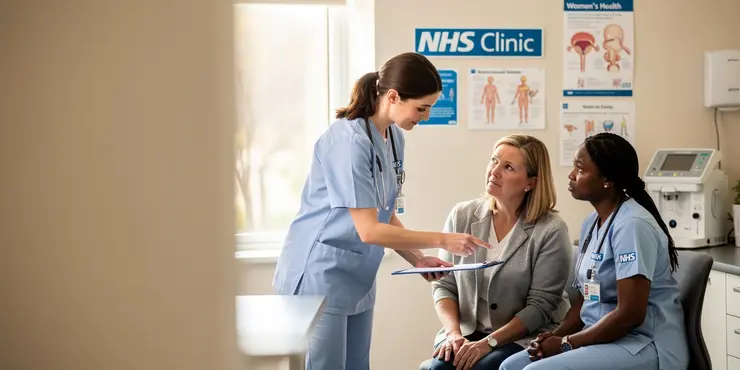
How is heavy menstrual bleeding diagnosed?
Relevance: 74%
-

Can heavy menstrual bleeding happen in teenagers?
Relevance: 73%

-
Is heavy menstrual bleeding the same as painful periods?
Relevance: 72%
-

Can heavy menstrual bleeding cause anemia?
Relevance: 72%
-
Can stress cause heavy menstrual bleeding?
Relevance: 72%
-
When should I see a doctor for heavy menstrual bleeding?
Relevance: 71%
-
Can heavy menstrual bleeding lead to emergencies?
Relevance: 70%
-
How is heavy menstrual bleeding different from a normal period?
Relevance: 70%
-

What self-care can help with heavy menstrual bleeding?
Relevance: 69%
-

Can birth control help with heavy menstrual bleeding?
Relevance: 69%
-

Can heavy menstrual bleeding happen after menopause?
Relevance: 63%
-

How much bleeding is considered heavy?
Relevance: 60%
-

Should I track my periods if I have heavy bleeding?
Relevance: 49%
-

Can I use Ibuprofen for menstrual pain?
Relevance: 38%
-
What is the Womb Lining test?
Relevance: 36%
-

What should I do if I start bleeding during early pregnancy? | NHS
Relevance: 35%
-

What you need to know about irregular periods
Relevance: 35%
-
Does the COVID jab affect fertility?
Relevance: 34%
-
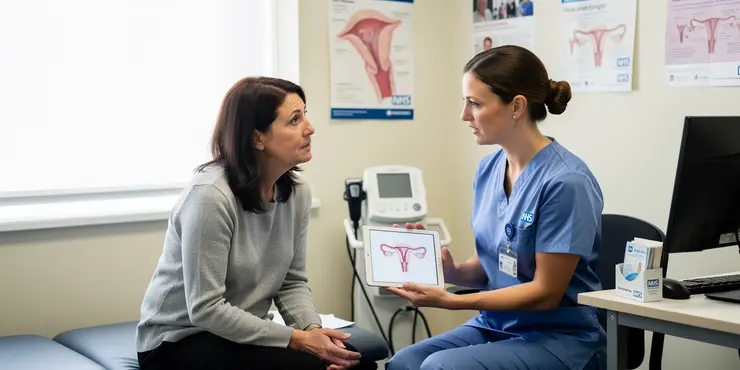
Are there any risks associated with the womb lining test?
Relevance: 34%
-

Irregular periods - BSL
Relevance: 33%
-
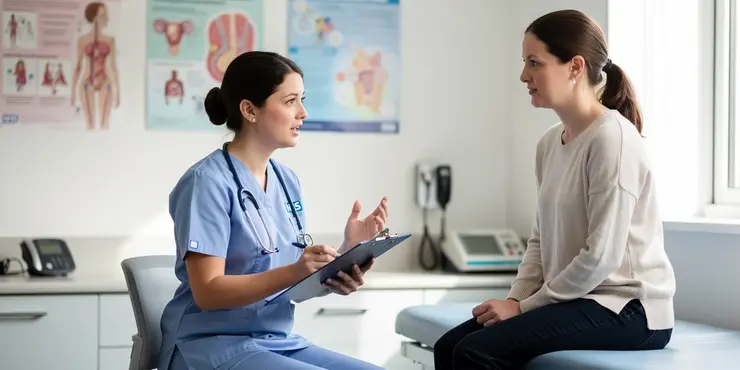
Why is a womb lining test performed?
Relevance: 32%
-
Bleeding from the bottom rectal bleeding
Relevance: 31%
-
Bleeding from the bottom rectal bleeding
Relevance: 30%
-
Is fertility affected by testicular cancer?
Relevance: 30%
-
In what situations are medical tampons used?
Relevance: 29%
-
What should I do if I experience severe pain or bleeding after the test?
Relevance: 29%
-
Fertility treatments on the up, but not via the NHS
Relevance: 29%
-

Post Menopausal Bleeding Clinic | A Guide to What Happens at An Appointment
Relevance: 28%
-
What happens after a womb lining test?
Relevance: 27%
-
Can the test be performed during my menstrual period?
Relevance: 27%
-
Is the womb lining test painful?
Relevance: 27%
-
What is Anaemia (iron deficiency)?
Relevance: 27%
Does heavy menstrual bleeding affect fertility?
Heavy menstrual bleeding does not always affect fertility directly. Many people who have heavy periods can still conceive and have a healthy pregnancy. However, heavy bleeding can sometimes be a sign of an underlying condition that may make it harder to get pregnant.
If your periods are very heavy, painful, or irregular, it is worth speaking to a GP. The cause of the bleeding may be more important than the bleeding itself when it comes to fertility.
Possible causes that may affect conception
Some conditions linked to heavy periods can also affect fertility. These include endometriosis, fibroids, polycystic ovary syndrome (PCOS), adenomyosis, and some thyroid problems. In these cases, the condition may interfere with ovulation, implantation, or the health of the womb.
Infection, polyps, and bleeding disorders can also contribute to heavy menstrual bleeding. Some of these issues may not affect fertility directly, but they can still make it harder to conceive if left untreated.
How heavy bleeding can affect your body
Heavy periods can sometimes lead to iron deficiency or anaemia. If you feel tired, dizzy, short of breath, or weak, this may be a sign that your iron levels are low. While anaemia does not usually cause infertility, it can affect your overall health and wellbeing.
Feeling unwell or exhausted can also affect sex drive, timing of intercourse, and day-to-day life. If periods are making you feel drained, it may be harder to track ovulation and plan for pregnancy.
When to seek help
You should see a GP if you are soaking through pads or tampons regularly, passing large clots, or bleeding for longer than usual. It is also important to get advice if your periods are painful, irregular, or getting heavier over time. These symptoms can help doctors identify the cause.
If you have been trying to get pregnant for 12 months without success, or for 6 months if you are aged 36 or over, seek fertility advice. If you already know you have heavy bleeding, mention this during your appointment.
Diagnosis and treatment
A doctor may ask about your periods, medical history, and any symptoms such as pain or irregular cycles. You may also be offered blood tests, an ultrasound scan, or other checks to find the cause. Treatment depends on what is causing the bleeding.
Options may include medicines to reduce bleeding, hormonal treatment, or procedures to treat fibroids or polyps. If an underlying condition is affecting fertility, treating it may improve your chances of conceiving. Your GP can also refer you to a gynaecologist or fertility specialist if needed.
Getting support and next steps
Heavy menstrual bleeding can feel worrying, especially if you are trying to start a family. The good news is that it does not automatically mean you will have fertility problems. In many cases, treatment can help both the bleeding and any related fertility issues.
If you are concerned, do not wait and hope it improves on its own. Speaking to a GP early can help you get the right tests, treatment, and reassurance.
Frequently Asked Questions
Does heavy menstrual bleeding affect fertility?
Heavy menstrual bleeding itself does not always cause infertility, but it can sometimes be a sign of an underlying condition that may affect fertility.
Can heavy periods make it harder to get pregnant?
Heavy periods do not directly prevent pregnancy, but if they are caused by issues like fibroids, endometriosis, or hormonal imbalances, those conditions can affect conception.
Is heavy menstrual bleeding a sign of infertility?
Not necessarily. Many people with heavy periods can still conceive, but heavy bleeding can sometimes point to a problem that may reduce fertility.
What conditions linked to heavy bleeding can affect fertility?
Conditions such as uterine fibroids, endometriosis, adenomyosis, polyps, and some hormone disorders can cause heavy bleeding and may also affect fertility.
Should I see a doctor if I have heavy periods and want to conceive?
Yes. If you have heavy bleeding and are trying to get pregnant, a healthcare provider can check for treatable causes that might be affecting fertility.
Can iron deficiency from heavy bleeding affect pregnancy chances?
Iron deficiency does not usually directly cause infertility, but it can affect overall health and energy, so it is important to treat it.
Does heavy menstrual bleeding mean I have ovulation problems?
Not always, but some hormonal problems that cause heavy bleeding can also interfere with ovulation and make pregnancy harder.
Can fibroids cause both heavy bleeding and fertility problems?
Yes. Some fibroids can cause heavy menstrual bleeding and may interfere with implantation or the shape of the uterus, affecting fertility.
Does endometriosis cause heavy bleeding and infertility?
Endometriosis can sometimes cause heavy or irregular bleeding and is also a known cause of fertility problems.
Can adenomyosis affect fertility if I have heavy periods?
Yes. Adenomyosis can cause heavy, painful periods and may reduce the chances of pregnancy in some people.
Are all people with heavy bleeding less fertile?
No. Many people with heavy menstrual bleeding are able to get pregnant without difficulty.
Can treatment for heavy bleeding improve fertility?
If the bleeding is caused by an underlying condition, treating that condition may improve fertility or make conception more likely.
Do hormonal imbalances that cause heavy periods affect fertility?
Yes. Hormonal imbalances can cause heavy bleeding and may also disrupt ovulation, which can affect fertility.
Can polyps in the uterus cause heavy bleeding and fertility issues?
Yes. Uterine polyps can lead to heavy bleeding and may sometimes interfere with implantation or pregnancy.
When should I worry about heavy bleeding and fertility?
You should seek medical advice if bleeding is very heavy, lasts a long time, or comes with pain, irregular cycles, or difficulty getting pregnant.
Can heavy menstrual bleeding happen with normal fertility?
Yes. Some people have heavy periods and still have normal fertility, especially if no underlying condition is present.
Does heavy bleeding after stopping birth control affect fertility?
It can. Hormonal changes after stopping birth control may temporarily affect bleeding patterns, but persistent heavy bleeding should be evaluated.
Can heavy periods be related to miscarriage risk?
Heavy periods before pregnancy do not automatically mean miscarriage risk, but if an underlying uterine or hormonal problem is present, it may affect pregnancy outcomes.
How do doctors check if heavy bleeding is affecting fertility?
Doctors may review your menstrual history, do blood tests, and use imaging or other exams to look for conditions that could affect fertility.
Can I still try to get pregnant if I have heavy menstrual bleeding?
Yes, many people can still try to conceive, but it is a good idea to get evaluated so any treatable cause of the bleeding can be addressed.

Useful Linksxxx
This website offers general information and is not a substitute for professional advice.
Always seek guidance from qualified professionals.
If you have any medical concerns or need urgent help, contact a healthcare professional or emergency services immediately.
Some of this content was generated with AI assistance. We've done our best to keep it accurate, helpful, and human-friendly.
- Ergsy carefully checks the information in the videos we provide here.
- Videos shown by Youtube after a video has completed, have NOT been reviewed by ERGSY.
- To view, click the arrow in centre of video.
- Most of the videos you find here will have subtitles and/or closed captions available.
- You may need to turn these on, and choose your preferred language.
- Go to the video you'd like to watch.
- If closed captions (CC) are available, settings will be visible on the bottom right of the video player.
- To turn on Captions, click settings.
- To turn off Captions, click settings again.
More Items From Ergsy search
-
Does heavy menstrual bleeding affect fertility?
Relevance: 100%
-
Heavy periods (heavy menstrual bleeding)
Relevance: 86%
-
What is heavy menstrual bleeding?
Relevance: 84%
-
Can heavy menstrual bleeding be caused by fibroids?
Relevance: 79%
-
What treatments are used for heavy menstrual bleeding?
Relevance: 76%
-
What causes heavy menstrual bleeding?
Relevance: 76%
-
Is heavy menstrual bleeding always a sign of a serious problem?
Relevance: 75%
-
What are common signs of heavy menstrual bleeding?
Relevance: 74%
-
How is heavy menstrual bleeding diagnosed?
Relevance: 74%
-
Can heavy menstrual bleeding happen in teenagers?
Relevance: 73%
-
Is heavy menstrual bleeding the same as painful periods?
Relevance: 72%
-
Can heavy menstrual bleeding cause anemia?
Relevance: 72%
-
Can stress cause heavy menstrual bleeding?
Relevance: 72%
-
When should I see a doctor for heavy menstrual bleeding?
Relevance: 71%
-
Can heavy menstrual bleeding lead to emergencies?
Relevance: 70%
-
How is heavy menstrual bleeding different from a normal period?
Relevance: 70%
-
What self-care can help with heavy menstrual bleeding?
Relevance: 69%
-
Can birth control help with heavy menstrual bleeding?
Relevance: 69%
-
Can heavy menstrual bleeding happen after menopause?
Relevance: 63%
-
How much bleeding is considered heavy?
Relevance: 60%
-
Should I track my periods if I have heavy bleeding?
Relevance: 49%
-
Can I use Ibuprofen for menstrual pain?
Relevance: 38%
-
What is the Womb Lining test?
Relevance: 36%
-
What should I do if I start bleeding during early pregnancy? | NHS
Relevance: 35%
-
What you need to know about irregular periods
Relevance: 35%
-
Does the COVID jab affect fertility?
Relevance: 34%
-
Are there any risks associated with the womb lining test?
Relevance: 34%
-
Irregular periods - BSL
Relevance: 33%
-
Why is a womb lining test performed?
Relevance: 32%
-
Bleeding from the bottom rectal bleeding
Relevance: 31%
-
Bleeding from the bottom rectal bleeding
Relevance: 30%
-
Is fertility affected by testicular cancer?
Relevance: 30%
-
In what situations are medical tampons used?
Relevance: 29%
-
What should I do if I experience severe pain or bleeding after the test?
Relevance: 29%
-
Fertility treatments on the up, but not via the NHS
Relevance: 29%
-
Post Menopausal Bleeding Clinic | A Guide to What Happens at An Appointment
Relevance: 28%
-
What happens after a womb lining test?
Relevance: 27%
-
Can the test be performed during my menstrual period?
Relevance: 27%
-
Is the womb lining test painful?
Relevance: 27%
-
What is Anaemia (iron deficiency)?
Relevance: 27%